
As a digital artist, you know how important color accuracy is to your work. The right calibration tools can make a big difference in your projects. They help ensure that what you see on-screen matches your vision.
From monitors to cameras, there are several options available to help you get precise color representation.
Let’s check out some of the best tools that can boost your creative process and take your artwork to the next level.
Datacolor Spyder Checkr – Color Calibration Tool for Cameras

𝗦𝗜𝗠𝗣𝗟𝗜𝗙𝗬 𝗪𝗢𝗥𝗞𝗙𝗟𝗢𝗪: Software analyzes color results of your test shot to instantly create an HSL preset to use in your workflow...
For photographers who want their images to showcase real colors, the Datacolor Spyder Checkr is a must-have tool. This handy device features 48 specially designed color targets along with a grey card to help you achieve accurate color calibration in any shooting environment. Whether you're in a studio or out and about, this tool ensures your photos look their best.
Product Highlights:
- Accurate color targets: 48 engineered color options help you capture true-to-life hues.
- Easy software integration: Included software creates HSL presets for smooth editing in programs like Adobe Lightroom Classic.
- Sturdy design: Durable build with a tripod mount offers stability for all your photography needs.

DKC-Pro White Balance and Color Calibration Charts (Set of 2)
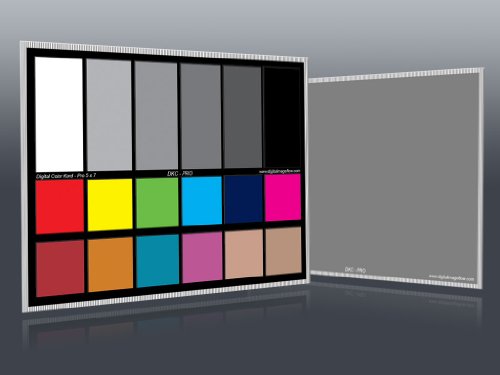
Professional version of our popular DKK Card with n-Chrome coated color targets The color patches are 100% coated with DGK's n-Chrome process, allowing for a much higher...
When it comes to achieving accurate color correction in your digital artwork, the DKC-Pro White Balance and Color Calibration Charts are perfect for both professionals and dedicated hobbyists. This set includes two 5" x 7" cards designed to help you get the best colors possible. With these charts in your toolkit, you'll be ready to take your color game to the next level.
Product Highlights:
- Enhanced color accuracy: The n-Chrome coated targets boost color saturation and remove metamerism for true-to-life results.
- Easy compatibility: These charts work well with Adobe Photoshop and Lightroom, making digital color correction a breeze.
- User-friendly setup: Each set comes with a frame stand and user guide to help you get started quickly.


Pro Digital Pocket Colorimeter for Paint Color Detection

Comprehensive Color Analysis: Provide more than 30 color parameters and 26 light sources rare in the industry for precise color measurement and analysis Excellent...
The Pro Digital Pocket Colorimeter is a must-have for digital artists looking for precise paint color detection. With its magnetic calibration cover, handling is a breeze and you won’t have to worry about misplacing it. This tool is perfect for professionals who value accuracy and want to achieve the best results in their work.
Product Highlights:
- High accuracy: With over 30 color parameters and a ΔE00 of 0.05, you can trust your results will be reliable.
- User-friendly design: The magnetic calibration cover makes it easy to hold and prevents loss.
- Flexible measurements: Get results directly on the device or connect to the ColorMeter app for more in-depth analysis.

Digital Kolor Pro 16:9 Large Color Calibration and Video Chip Chart, 2-Pack

SUPERIOR ACCURACY - Ensures precise color calibration with professional-grade chips, delivering consistent and reliable results for video production. ENHANCED IMAGE QUALITY -...
Digital Kolor Pro 16:9 Large Color Calibration and Video Chip Chart, 2-Pack, is a must-have for photographers and videographers who want to get their colors just right. This handy tool helps you ensure that every shot looks its best with accurate color representation. With its thoughtful design and easy portability, you can take it anywhere your creativity leads you.
Product Highlights:
- Double-sided design: Features essential tools for color reference and white balance on both sides for better results.
- Lightweight & portable: Easy to carry for on-location shoots or studio sessions without any hassle.
- Multiple format compatibility: Works well with various formats to meet the needs of different projects.
datacolor Spyder Monitor Calibrator for Graphic Designers and Photographers
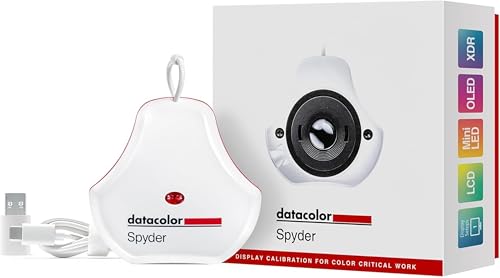
Color “Surprises” Are a Thing of the Past: Datacolor’s exclusive DevicePreview TM Beta feature simulates what your photos can look like on other devices on your own...
For graphic designers and photographers who want accurate colors, the Datacolor Spyder Monitor Calibrator is a must-have. It helps ensure your work looks true to life on both OLED and LED screens, perfect for all your creative endeavors. This tool is ideal for anyone looking to achieve professional results in their visual projects.
Product Highlights:
- Quick calibration: Get your display ready in just 90 seconds, making it easy for beginners to jump right in.
- Custom settings: Tailor the calibration to fit your specific needs, giving professionals the flexibility they want.
- Automatic adjustments: The ambient light sensor changes your display settings automatically for consistent color accuracy in any light.
Calibrite Display 123 Colorimeter (CCDIS123)

SPECIFICATIONS: Monitor calibration colorimeter with Easy 1 2 3 software workflow, USB C connection, compact body approx. 34mm tall x 37mm diameter, adjustable counterweight...
Color accuracy is essential for anyone diving into creative work, and the Calibrite Display 123 Colorimeter (CCDIS123) is the perfect companion for artists and designers. This easy-to-use device makes monitor color correction a breeze, ensuring your colors stay consistent whether you're editing, gaming, or watching. Plus, you can manage two displays at once, making your visual experience even better.
Product Highlights:
- User-friendly design: Makes color correction easy for any monitor.
- Dual display support: Boosts productivity by allowing color accuracy for two screens at the same time.
- Customizable brightness: Lets you adjust settings to match your personal preferences.
Pixiss Artist Proportional Divider - Drawing Tool for Artists
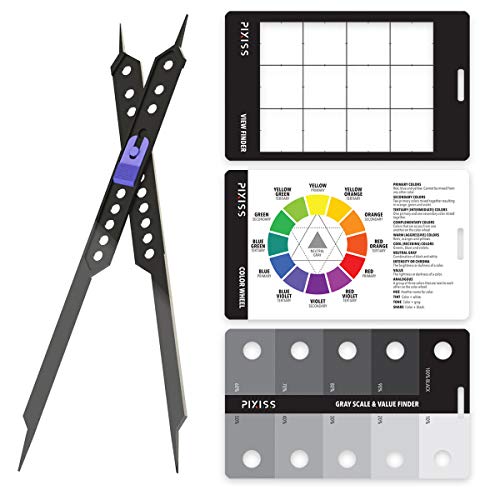
Proportional Scale Divider - The Pixiss Proportional Scale Divider tool can be used to transfer subject matter onto your canvas or paper while keeping the proportions. Easy...
The Pixiss Artist Proportional Divider is the perfect companion for artists aiming for precision in their creations. This handy 10-inch drawing tool makes it easy to transfer your subject matter onto the canvas while keeping proportions accurate. With its helpful features, this divider is ideal for anyone looking to enhance their artistic skills.
Product Highlights:
- Multi-function tool: It combines a proportional scale divider, gray scale finder, color wheel guide, and view catcher all in one handy device.
- Durable build: Made from waterproof plastic, this tool is built to last and can handle various artistic settings.
- Lightweight design: Its compact size makes it easy to carry in any artist's bag or toolkit.
Factors to Consider When Choosing Color Calibration Tools for Digital Artists
When choosing color calibration tools, you'll want to consider several key factors. Accuracy of color representation is crucial for your artwork, while compatibility with your software ensures smooth workflow. Don't forget about ease of use, durability, and how quickly the tool can calibrate your colors effectively.
Accuracy of Color Representation
Choosing the right color calibration tool can significantly impact your work as a digital artist. Accurate color representation ensures that the colors you see on your screen match your final artwork, leading to consistent, professional results. Look for tools that include spectrally engineered color targets, as they offer a known standard for comparison, enhancing precision. Gray cards are also essential for setting the correct white balance, crucial for true color representation under various lighting conditions. Additionally, many tools analyze color results and create presets for your editing software, streamlining your workflow. Consider calibration tools with ambient light sensors, too. These adapt to changing environments, helping you maintain color accuracy no matter the external conditions.
Compatibility With Software
How can you ensure your color calibration tools work seamlessly with your favorite editing software? First, check for compatibility with popular programs like Adobe Photoshop and Lightroom. This ensures effective color correction in your digital photography. Look for tools that offer presets or integration features designed specifically for these platforms, which can streamline your workflow. Additionally, choose calibration tools capable of analyzing color results and generating HSL presets that you can easily apply in your projects, enhancing color consistency. It's also beneficial to select tools compatible with multiple software applications, as this expands their versatility and helps maintain color accuracy across different devices. Lastly, user guides can provide helpful integration instructions for various editing environments.
Ease of Use
Ease of use is essential for digital artists seeking effective color calibration tools. You want a user-friendly interface and intuitive software design that lets you get started quickly without a steep learning curve. Look for tools with pre-set calibration options; these can help you achieve professional results even if you're a novice. If you're more experienced, customizable settings allow you to tailor the calibration to suit your unique artistic needs. Tools with ambient light sensors make adjustments based on your room lighting, reducing manual tweaks. Finally, clear user guides and accessories like stands can significantly improve your setup experience, ensuring that you can focus on your art without frustration.
Durability and Portability
When selecting color calibration tools, durability and portability are crucial factors that can make or break your experience as a digital artist. You need tools that can withstand varying environments, especially if you work outdoors or in different studios. Look for calibration charts or devices made from lightweight materials, ensuring they’re easy to carry without sacrificing strength or functionality. Features like self-casing constructions or magnetic designs add convenience and protection, keeping your tools safe during transport. A durable design combined with portability means you can maintain accurate color representation without worrying about damaging your equipment. Investing in robust, portable calibration tools allows you to focus on your art, knowing your tools are reliable wherever you go.
Calibration Speed and Efficiency
As you dive into the world of color calibration tools, speed and efficiency become essential to streamline your creative process. Calibration tools can set an accurate color baseline in about 90 seconds, allowing you to make quick adjustments and keep your workflow moving. Look for user-friendly software with presets, making it easy for you to achieve professional results without getting bogged down in setup. Tools equipped with ambient light sensors automate adjustments based on room lighting, ensuring consistent accuracy. If you work across multiple displays, choose tools that calibrate them simultaneously to save time. Regular maintenance features, like fade alerts, help maintain accuracy, reducing the need for frequent recalibrations and boosting your overall efficiency.
Frequently Asked Questions
How Often Should I Calibrate My Monitor for Accurate Colors?
You should calibrate your monitor at least once a month for accurate colors. However, if you notice any color shifts or if your lighting conditions change, it’s a good idea to recalibrate more often.
Regular calibration ensures that what you see on-screen matches your creative vision. Investing in a reliable calibration tool can make this process easier and help keep your color accuracy consistent throughout your work.
Don’t overlook the importance of this step!
Can Color Calibration Tools Improve My Printing Results?
Yes, color calibration tools can really improve your printing results.
By making sure your monitor shows colors accurately, you can create prints that match your digital designs. When you calibrate your monitor, you align its output with industry standards. This cuts down on the differences between what you see on-screen and what gets printed.
This consistency helps you achieve vibrant and true-to-life colors in your prints. It boosts the overall quality of your work.
Are There Budget-Friendly Options for Color Calibration Tools?
Yes, there are budget-friendly options for color calibration tools! You can find devices like the X-Rite ColorMunki Smile or Datacolor SpyderX. They offer solid performance without breaking the bank.
If you prefer software solutions, check out DisplayCAL and CalMAN. They provide free or low-cost options to help you calibrate your monitor.
What Is the Difference Between Hardware and Software Calibration?
Hardware calibration uses a physical device like a colorimeter or spectrophotometer to measure and adjust your monitor's color accuracy. It gives you precise results by directly interacting with the display.
Software calibration, on the other hand, relies on your computer's settings and algorithms to correct colors. This can be less accurate than hardware calibration.
While both methods aim for better color reproduction, hardware calibration usually provides more reliable and consistent results for your projects.
Do I Need to Calibrate My Tablet or Mobile Device Too?
Yes, you should calibrate your tablet or mobile device. Just like your monitor, these devices can show colors differently. This can affect your work.
By calibrating them, you make sure the colors you see are true to life. This helps you make better creative choices. It’s especially important if you’re sharing your work across different platforms.